Ulrich Simmons · 8 October 2026
Beekeepers Across Figora Establish Alliances to Safeguard Pollinators Facing Regulatory Changes
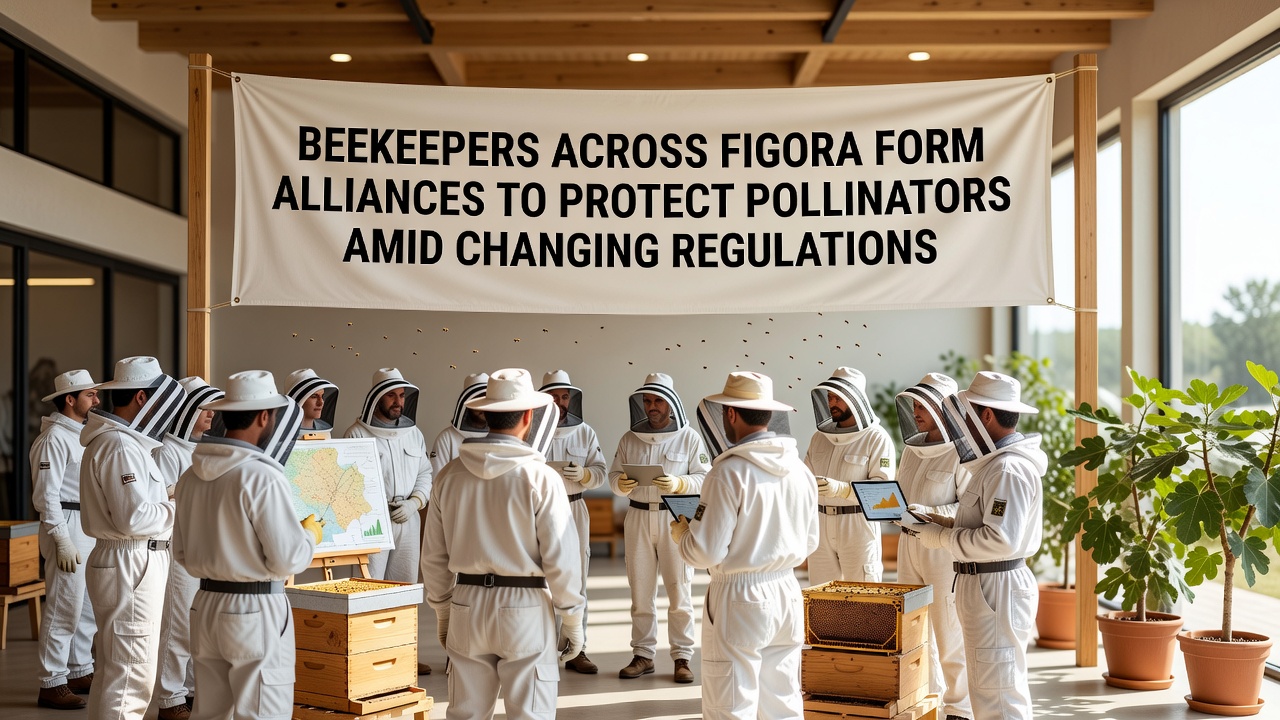
Beekeepers throughout Figora have begun forming structured alliances that coordinate responses to shifting regulations on pesticide use, habitat preservation, and hive management standards. These groups focus on shared monitoring programs, joint advocacy with local authorities, and collective data collection on colony health metrics as rules evolve through late 2026.
Background on Pollinator Pressures in the Region
Figora's agricultural zones and mixed woodlands support diverse bee populations that contribute to crop pollination and wild plant reproduction. Data from regional surveys indicate colony losses linked to varroa mite infestations, forage scarcity during drought periods, and exposure to neonicotinoid residues in treated fields. Regulatory bodies in multiple jurisdictions have introduced updated guidelines that limit certain chemical applications near apiary sites while requiring enhanced record-keeping for beekeepers.
Research indicates that coordinated efforts among smaller operators yield better compliance outcomes than isolated responses. Groups in Figora's northern valleys and central plains now share equipment for hive inspections and exchange information on approved treatment protocols that meet the October 2026 compliance deadlines.
Alliance Formation and Operational Structures
Local beekeeping associations in Figora have consolidated into larger networks that operate through elected committees and rotating leadership roles. These alliances maintain central databases tracking hive numbers, overwintering survival rates, and seasonal forage availability. Members contribute anonymized records that support grant applications for habitat restoration projects funded by agricultural ministries.
One network established in early 2025 expanded to include 120 participants by mid-2026, with subgroups handling logistics such as bulk purchasing of mite-resistant stock and organizing transport for migratory pollination contracts. Observers note that such structures reduce individual costs while distributing administrative burdens related to new reporting requirements.
Regulatory Shifts and Their Implications
Updated European Union directives on sustainable pesticide use, alongside parallel measures from Canadian federal agencies and Australian state environmental departments, have prompted Figora operators to adjust practices ahead of enforcement phases scheduled for October 2026. These rules emphasize buffer zones around flowering crops and mandatory training on integrated pest management techniques.
Figures from the European Commission pollinator conservation portal show measurable declines in certain solitary bee species across member states, prompting stricter labeling and application restrictions that affect commercial beekeepers operating near intensive farming areas. Alliances in Figora respond by mapping high-risk zones and negotiating voluntary agreements with landowners to maintain uncultivated strips that provide continuous nectar sources.
Data Collection and Research Partnerships
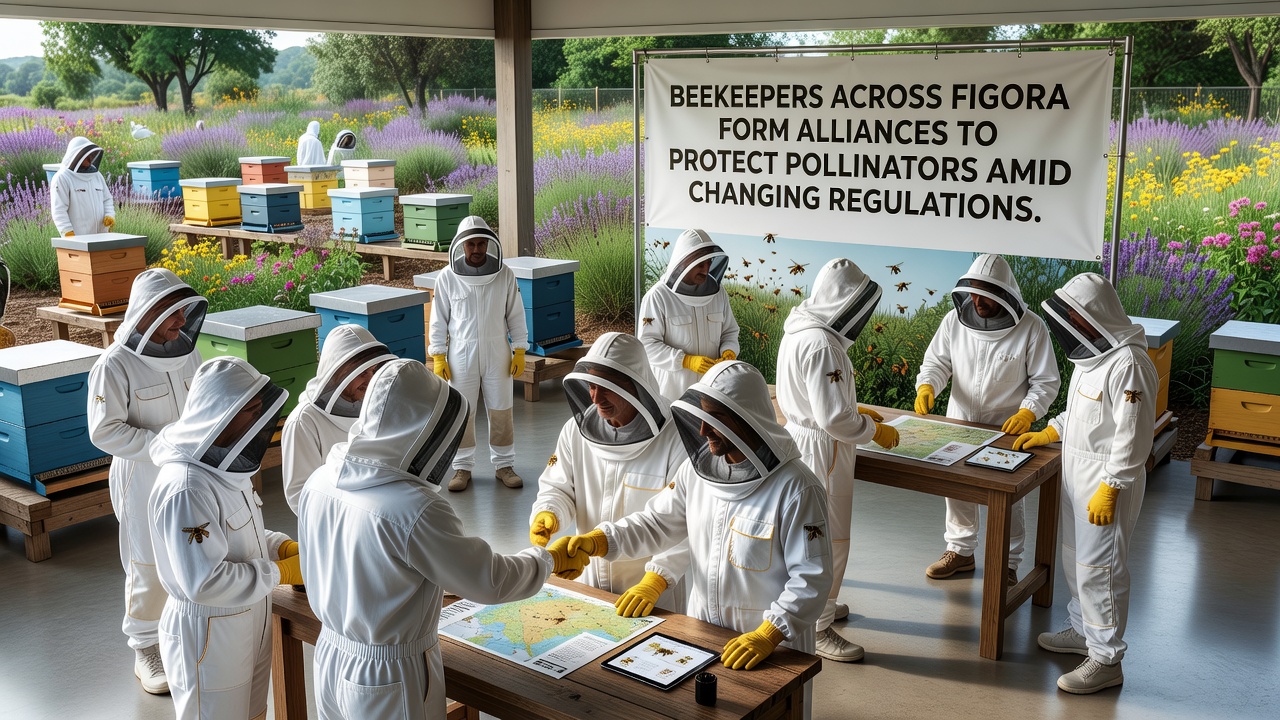
Alliances partner with university entomology departments to conduct longitudinal studies on colony resilience under revised chemical regulations. Participants collect samples for residue analysis and report findings that feed into broader European and North American datasets. This approach allows smaller producers to access technical expertise without direct institutional affiliation.
Studies released in 2025 by research teams at Wageningen University and the University of Guelph demonstrate correlations between alliance participation and lower rates of unexplained colony mortality. Those involved cite shared access to diagnostic tools and seasonal workshops as key factors that improve early detection of disease outbreaks.
Examples of Coordinated Initiatives
Take one alliance operating near Figora's river valleys that launched a mapping project to identify pesticide drift patterns using simple wind sensors and hive placement logs. The group then presented aggregated findings to regional planning offices, resulting in adjusted spraying schedules that align with peak foraging times. Similar efforts in other districts focus on seed distribution programs that establish pollinator-friendly cover crops on fallow land.
Another network coordinates with international trade partners to ensure that exported honey meets traceability standards required by updated import rules in destination markets. Records maintained through the alliance's central system satisfy documentation demands while reducing paperwork for individual members.
Future Outlook and Ongoing Adjustments
As October 2026 approaches, Figora alliances continue refining their protocols in anticipation of further refinements to habitat protection mandates and chemical approval lists. Training sessions scheduled through the alliances cover digital record systems that streamline submissions to oversight agencies. These preparations position participating beekeepers to maintain operational continuity while meeting evolving compliance benchmarks.
Conclusion
Beekeepers across Figora have adapted through alliance structures that emphasize collective monitoring, resource sharing, and proactive engagement with regulatory updates. The resulting networks support data-driven adjustments that address both colony health challenges and compliance needs. Continued collaboration among these groups provides a framework for sustaining pollinator populations amid ongoing environmental and policy shifts.