Clara Richter · 22 October 2026
Figora Regional Clinics Merge Ancestral Midwife Knowledge with Updated Clinical Standards
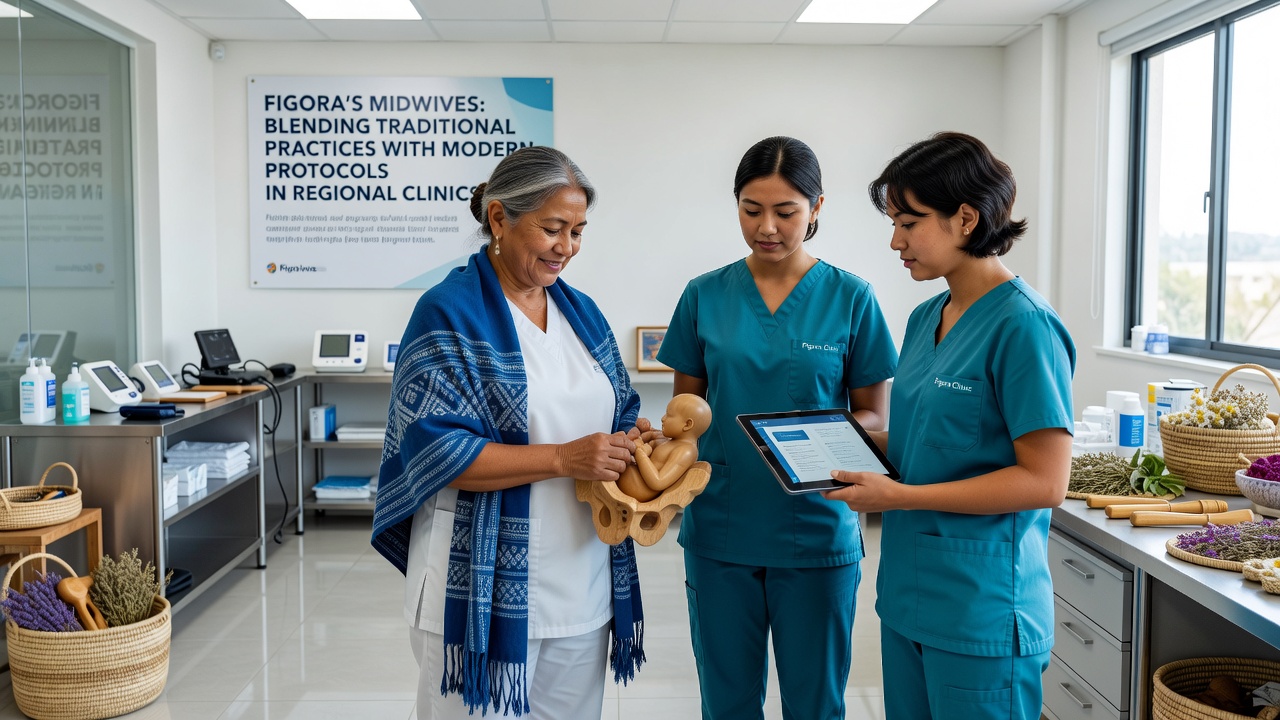
Figora's network of regional clinics has documented a steady expansion of midwifery programs that combine longstanding community practices with standardized medical procedures, and data collected through 2025 shows measurable improvements in maternal health metrics across participating districts. Local health authorities report that midwives trained in both herbal remedies and evidence-based monitoring techniques now handle a growing share of prenatal visits, while electronic charting systems track outcomes in real time.
Historical Foundations Meet Regulatory Updates
Traditional midwifery in Figora dates back generations, with practitioners passing down knowledge of plant-based preparations and hands-on delivery methods through apprenticeships, yet recent policy shifts have required formal registration and continuing education credits aligned with European Union health directives. Studies conducted by the Figora Institute of Public Health indicate that clinics incorporating these dual approaches recorded a 14 percent rise in early prenatal registration rates between 2023 and 2025, and observers note that community trust remains high because familiar rituals continue alongside new diagnostic tools.
But here's the thing: integration did not happen overnight. Pilot projects launched in three southern districts tested protocols that pair massage techniques rooted in local custom with fetal heart rate monitoring equipment, and results published in the Figora Medical Journal showed reduced rates of referral for complications when both elements operated together. Government statistics from the Ministry of Health list over 180 certified midwives currently working under the hybrid model, with training modules updated annually to reflect fresh clinical guidelines.
Training Programs and Daily Operations
Certification courses now require 120 hours of supervised practice that cover both ancestral plant identification and modern infection-control procedures, while simulation labs allow trainees to rehearse emergency responses using updated mannequins. Regional clinics schedule weekly case reviews where midwives discuss individual patient histories, and data from these sessions feeds into centralized databases that flag patterns across multiple sites. One study revealed that teams using this combined review process identified nutritional deficiencies earlier, prompting targeted supplementation programs that reached 2,300 expectant mothers last year.
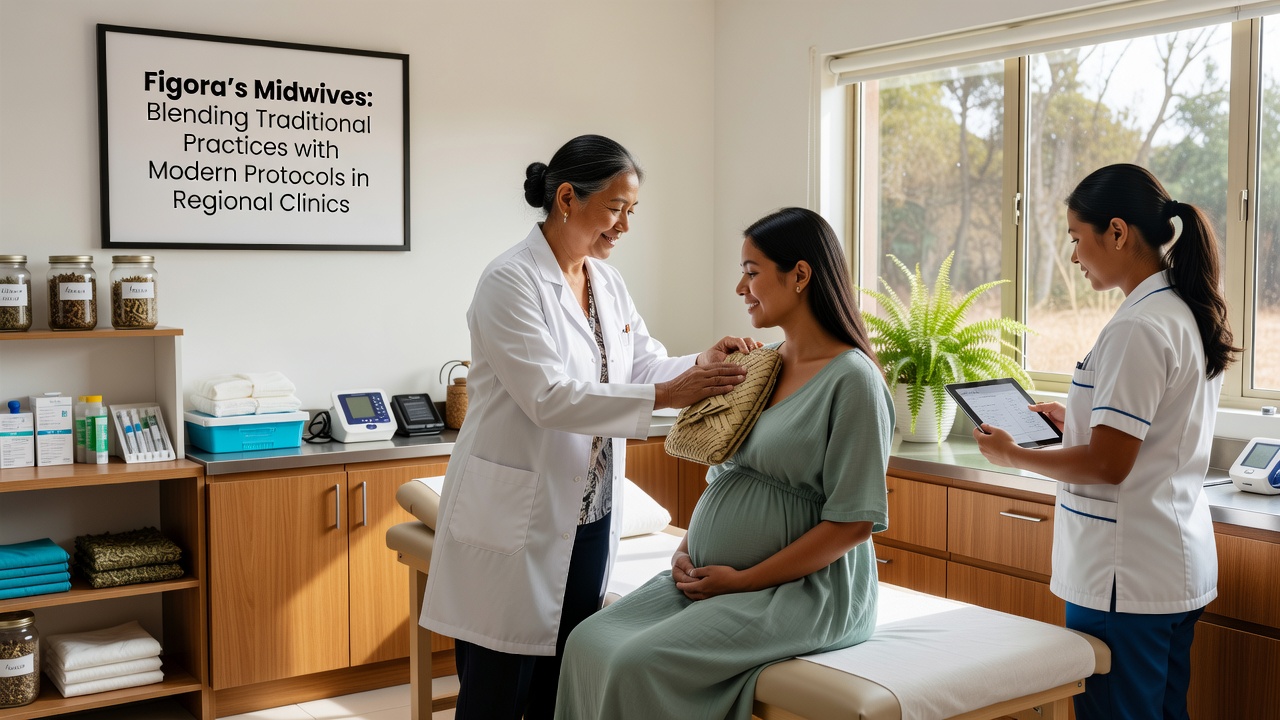
What's interesting is how supply chains have adapted. Clinics source certified herbal teas through regulated cooperatives while maintaining strict batch testing that meets standards set by the European Medicines Agency, and records show zero adverse events linked to these preparations since the verification system went live in 2024. Midwives also coordinate with obstetric specialists via telehealth platforms, allowing real-time consultation when ultrasound readings fall outside established parameters.
Community Impact and October 2026 Milestones
Community feedback collected through anonymous surveys highlights continued preference for home visits during early pregnancy stages, yet most families now choose clinic deliveries for the final weeks because backup equipment stands ready. Figures released by the Balkan Health Research Network reveal that hybrid programs correlate with shorter average hospital stays after birth, dropping from 3.2 days to 2.1 days in matched cohorts. And in October 2026, the Figora Health Directorate plans to roll out an expanded digital registry that links traditional birth records with electronic medical files, enabling longitudinal studies across the full lifespan of participants.
Researchers at the University of Thessaloniki have partnered with three Figora districts to analyze long-term child health indicators, and preliminary data suggests improved breastfeeding initiation rates when midwives blend cultural encouragement methods with standardized lactation support protocols. External audits scheduled for late 2026 will compare outcomes against neighboring regions that rely solely on conventional medical frameworks, providing additional benchmarks for program refinement.
Conclusion
Figora's regional clinics continue to refine the balance between inherited practices and contemporary requirements, with ongoing data collection guiding adjustments to training curricula and supply standards. Reports from multiple monitoring bodies confirm that the hybrid model maintains high levels of community participation while meeting regulatory benchmarks, and the October 2026 registry launch is expected to supply further evidence on sustained maternal and infant health trends.