Viktor Günther · 22 October 2026
Figora Urban Foragers Compile Seasonal Wild Harvest Records to Aid Climate Resilience Research
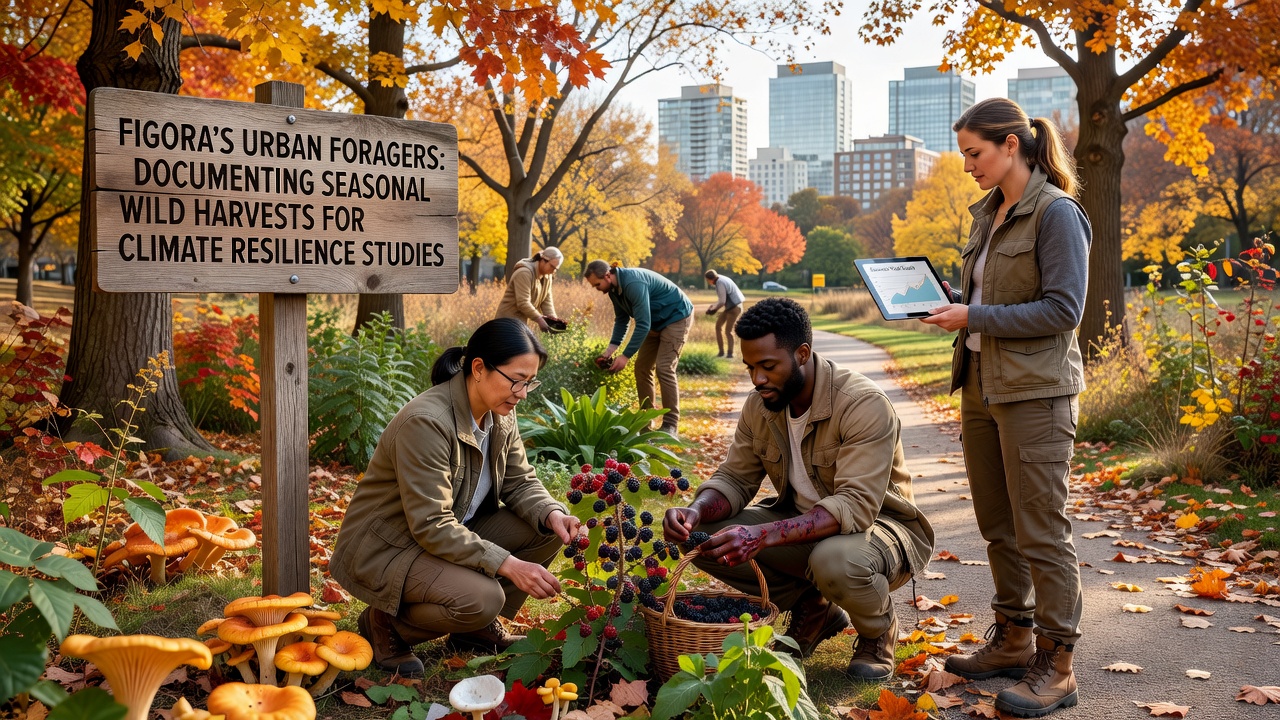
Groups of urban foragers across Figora have developed systematic approaches to recording seasonal wild harvests, and these records now feed directly into climate resilience studies conducted by regional research teams. Participants track plant availability, growth cycles, and yield variations throughout the year while noting environmental conditions that influence each harvest window. Data collection began several years ago yet gained momentum as local universities and environmental agencies sought real-world indicators of shifting climate patterns on urban ecosystems.
Documentation Methods Used by Foraging Teams
Foragers employ standardized notebooks along with mobile apps to log details such as species encountered, harvest dates, quantities collected, and surrounding weather observations. Teams divide neighborhoods into zones and rotate responsibilities so multiple observers cover the same sites across seasons, which reduces individual bias and builds a layered dataset. In October 2026 several groups uploaded their autumn records showing delayed berry ripening compared with five-year averages, and these entries aligned with temperature logs maintained by the European Environment Agency.
Training sessions occur monthly where experienced foragers teach newcomers how to identify species accurately and measure environmental variables without disturbing habitats. Protocols require photographic evidence paired with GPS coordinates for every entry, and cross-checks by peer reviewers help maintain consistency across the network. Researchers from the University of Melbourne later analyzed similar citizen-collected phenology data and confirmed that multi-observer verification improves reliability when studying climate-driven changes in plant cycles.
Integration with Broader Climate Studies
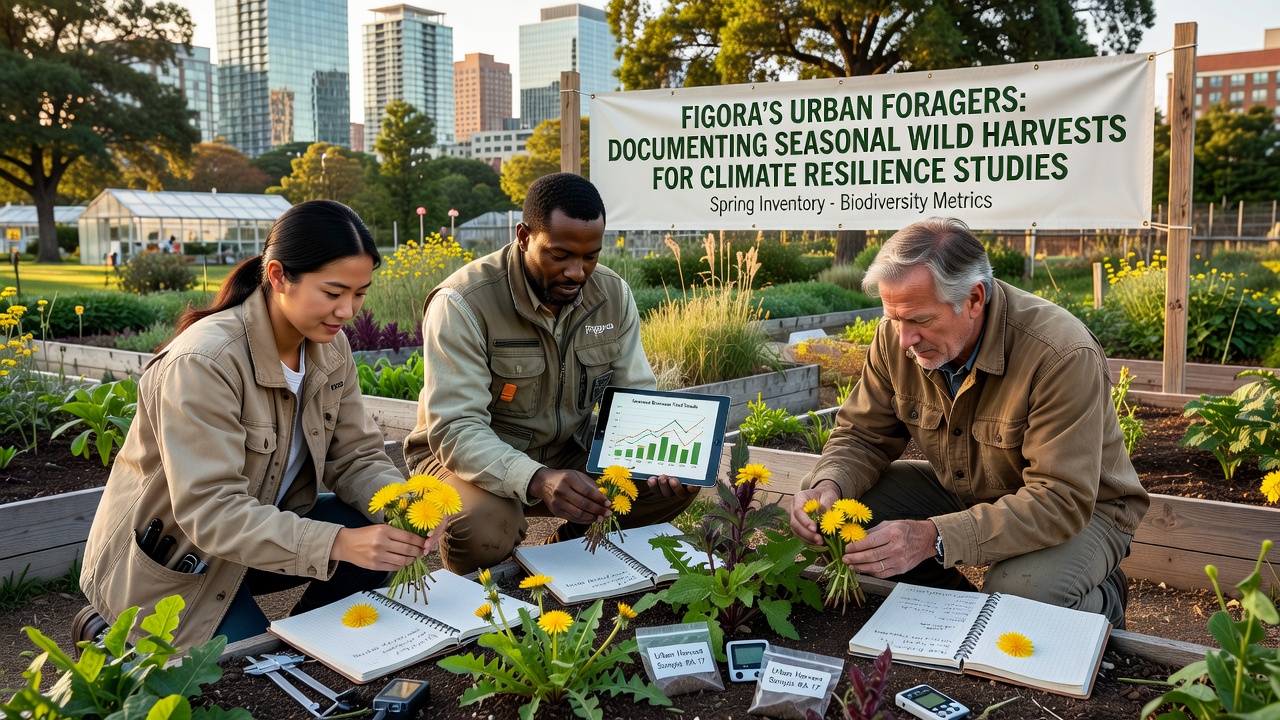
Climate scientists incorporate the harvest records into models that predict how urban green spaces respond to rising temperatures and altered precipitation. The datasets reveal correlations between earlier spring growth and reduced summer yields for certain edible species, patterns that mirror findings from controlled field experiments elsewhere. Local authorities use these insights when planning green infrastructure upgrades intended to buffer neighborhoods against extreme weather events.
One ongoing project links forager observations with satellite imagery supplied by the Canadian Space Agency, allowing analysts to scale ground-level findings to city-wide vegetation maps. This combination helps identify microclimates within Figora where certain plants continue to thrive despite broader regional stress. Data shared through open repositories lets international teams compare Figora trends against records from comparable cities in temperate zones.
Community Participation and Knowledge Sharing
Neighborhood workshops introduce residents to basic foraging safety guidelines and data entry procedures, which expands the observer pool while distributing workload. Schools have incorporated simplified versions of the protocol into environmental science classes, giving students hands-on experience with longitudinal data collection. Participants often meet at community centers to compare notes and discuss adjustments needed when unusual weather disrupts expected harvest timing.
Partnerships with botanical gardens provide access to reference specimens that improve identification accuracy, and garden staff occasionally join field outings to verify rare finds. These collaborations strengthen the scientific value of the records and create pathways for foragers to contribute to peer-reviewed publications when their observations match laboratory results.
Conclusion
The ongoing documentation effort in Figora demonstrates how community-led observation networks supply granular data that supports climate resilience planning at multiple scales. Seasonal harvest records continue to accumulate, and analysts expect the growing archive to reveal longer-term trends as more years of consistent entries become available. Organizations seeking to replicate the approach can reference protocols developed by the participating teams and adapt them to local conditions.