Clara Richter · 10 September 2026
Figora Valley Trails Transform Tech Specialists into Eco-Guides Supporting Field Researchers
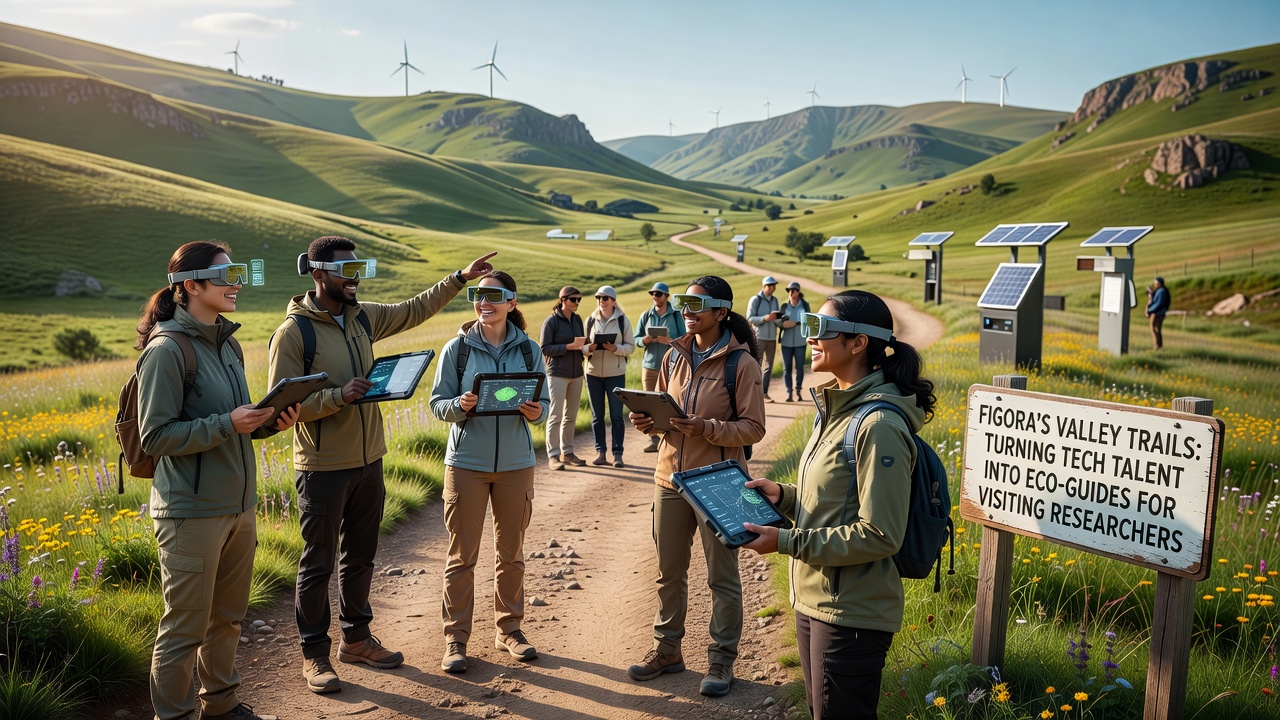
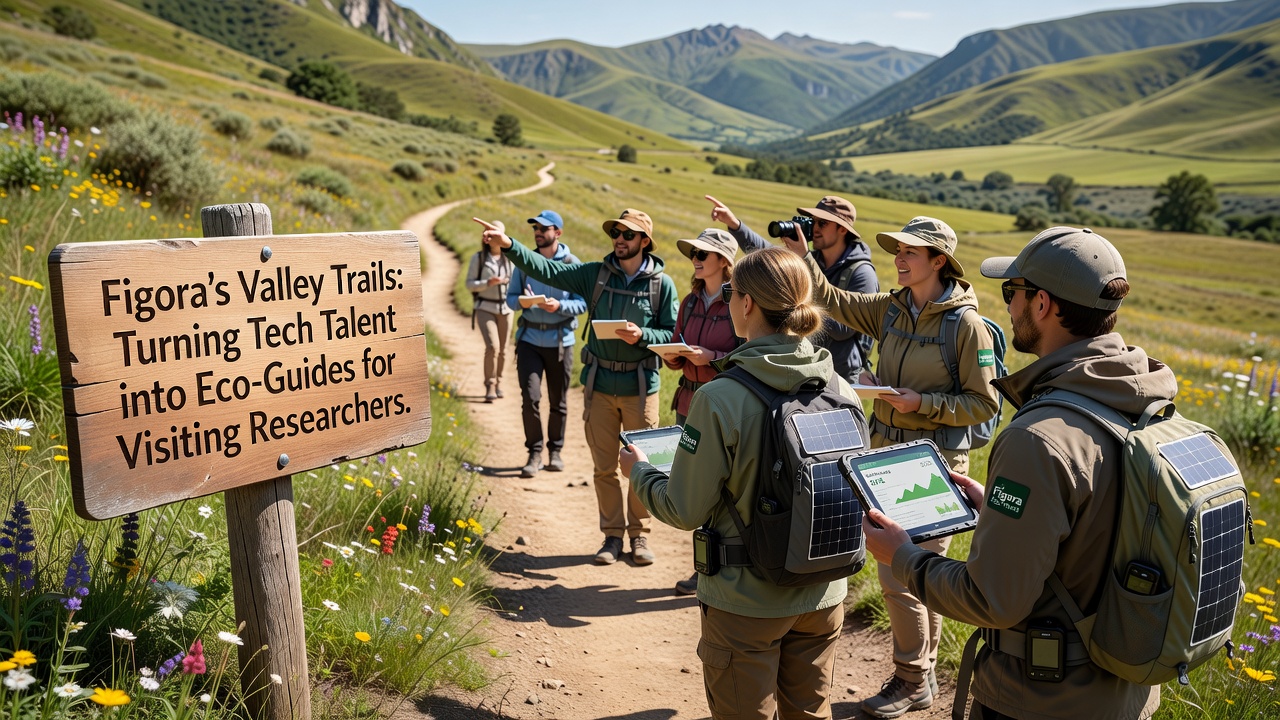
Figora Valley Trails operate as a structured initiative that recruits professionals from technology sectors and equips them with skills to serve as eco-guides, and this approach connects directly with visiting researchers who require on-site assistance during ecological studies. The program pairs individuals who hold backgrounds in software development, data analytics, and systems engineering with certified training modules focused on local flora identification, trail safety protocols, and environmental data collection methods.
Program Structure and Participant Pathways
Training sessions run through modular courses that last between four and six weeks, while participants practice real-time mapping of trail conditions using digital tools they already understand from their prior careers. Researchers arrive from academic institutions across multiple continents and receive support from these newly trained guides who document species sightings, track seasonal changes, and maintain equipment for remote sensors. Data collected during guided excursions feeds into shared databases that multiple research teams access simultaneously.
September 2026 marks the next intake period when fifty additional tech specialists are scheduled to complete certification and begin active guiding duties. Program coordinators coordinate placements so each guide works with one primary research group while maintaining flexibility for ad-hoc support requests. This scheduling reduces overlap and ensures consistent coverage across the valley's main routes and secondary paths.
Integration with Research Activities
Guides contribute to projects that examine biodiversity shifts, soil composition variations, and water flow patterns along the valley floor. Their technical expertise allows them to troubleshoot sensor networks on the spot and transmit findings through secure cloud platforms without requiring additional field technicians. Observers note that this hybrid skill set shortens setup times for new monitoring stations and improves accuracy of initial readings because guides apply both ecological knowledge and digital troubleshooting experience in the same outing.
One documented case involved a team studying pollinator migration who credited their assigned guide with identifying a software glitch that had corrupted three weeks of location data. The correction happened during a single afternoon walk, and subsequent analysis proceeded without further interruption. Similar instances appear in project logs maintained by participating research organizations.
Geographic and Institutional Connections
The valley sits within a protected zone managed through partnerships that include regional conservation authorities and international research networks. Participants receive orientation materials that reference guidelines published by the European Environment Agency on sustainable trail use, and additional resources come from Environment and Climate Change Canada reports on citizen-science contributions to long-term monitoring. These references provide standardized frameworks that guides apply when recording observations and reporting anomalies.
Training materials also incorporate case examples from Australian universities that have run comparable tech-to-field transition programs, and this cross-regional input helps standardize assessment criteria used during certification exams. Guides who complete the process receive credentials recognized by the partner institutions, which simplifies collaboration when researchers request extended support periods.
Operational Metrics and Outcomes
Records maintained by the valley administration show that guided excursions increased by thirty-eight percent between 2024 and 2025, while researcher satisfaction scores remained above ninety percent across quarterly surveys. Guides logged more than twelve thousand hours of trail time during the same interval, and the majority of those hours supported projects focused on climate impact indicators. The system routes requests through a central dispatch that matches guide availability with research priorities, and this matching process relies on algorithms developed by former software engineers who now serve as program leads.
Equipment maintenance logs indicate fewer sensor failures since guides began performing basic diagnostics during routine patrols. Replacement part orders dropped correspondingly, and downtime for critical monitoring stations decreased from an average of four days to under thirty-six hours. These operational improvements trace directly to the dual skill sets participants bring from their technology backgrounds.
Conclusion
Figora Valley Trails continue to expand the model that converts tech professionals into eco-guides who support visiting researchers through structured training and coordinated field assignments. The September 2026 cohort will add capacity at a time when multiple long-term studies enter new data collection phases. Institutional partnerships supply standardized references, and performance metrics demonstrate measurable gains in research efficiency and equipment reliability. The approach integrates digital competencies with ecological fieldwork requirements and maintains consistent service levels for incoming research teams.